 1 / 2
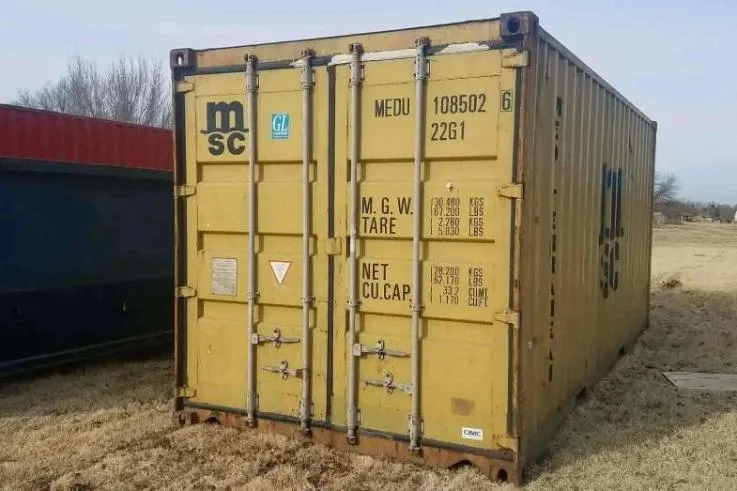
1 / 220ft Standard Cargo Worthy Shipping Container (20STCW)
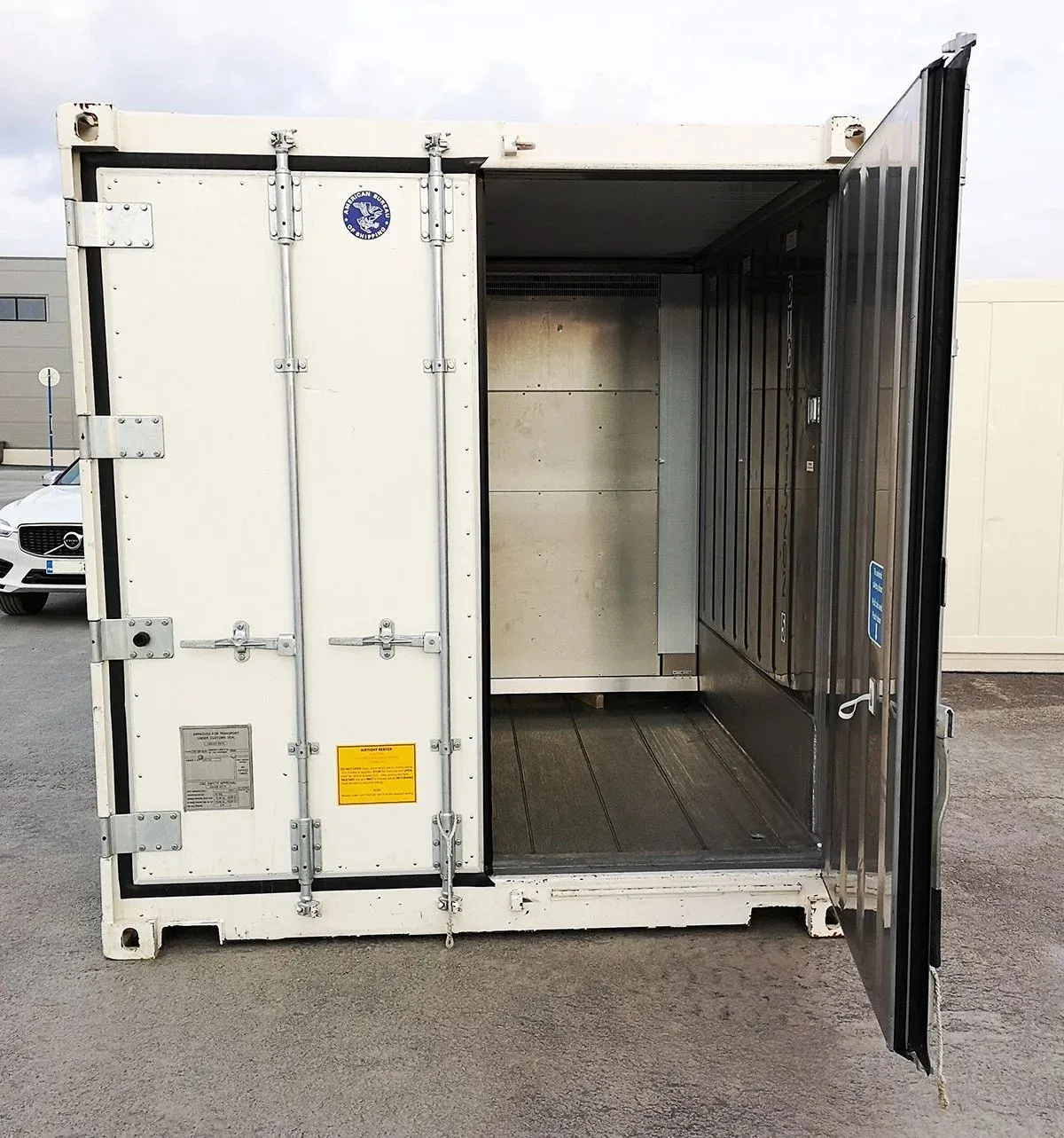
A 20ft standard Cargo Worthy shipping container (20STCW), inspected and certified structurally sound and watertight for shipping use, with a 5-year warranty.
Full Description
This 20ft Cargo Worthy shipping container is a used unit that has been inspected and certified to meet the structural standards required to go back into international transit by ship or rail. Expect normal signs of prior service — surface rust, minor dents, and previous repairs — but the container is guaranteed to pass a structural inspection for re-certification. If you plan to use the container for international shipping, obtaining that inspection is the buyer's responsibility. It's backed by a 5-year structural warranty and a 5-year no-leak warranty, along with ongoing customer support for as long as you own it. Photos represent the general condition and grade you can expect; the exact unit delivered may vary slightly in appearance.
| Unit | Price |
|---|---|
| 20ft Standard Cargo Worthy Shipping Container (20STCW) (this unit) | $2,650 |
| 40ft Standard Cargo Worthy Shipping Container (40STCW) | $2,900 |
| 40ft High Cube Cargo Worthy Shipping Container (40HCCW) | $3,000 |
Common Questions
How does the deposit and reservation process work?
A refundable deposit of up to $1,000 (or the item's full price if it's lower) holds this unit and locks the quoted price for 48–72 hours while we confirm availability and arrange delivery. If your order doesn't move forward, the deposit is fully refunded.
Do you deliver, and does it cost extra?
Yes, we deliver nationwide. Delivery is coordinated after reservation and quoted based on your location and the unit's size, so it isn't included in the listed price.
What's your return policy?
Returns are accepted within 7 days of delivery. Return shipping and any related costs are the customer's responsibility.
Can I write this purchase off as a business expense?
Businesses may qualify to deduct the full purchase price in the year it's placed in service under Section 179, rather than depreciating it over several years. Rules and limits vary, so this isn't tax advice — talk to your accountant about your specific situation.